Building a Working PoC with Google AI Studio
At Umamii, the B2B Portal was the critical piece missing from our vision, the key to unlocking a two-sided marketplace and accelerating restaurant partner adoption. We set an ambitious goal to launch a V1 in just 60 days, but we immediately hit a classic startup bottleneck: our engineering team was deep in the weeds on our core consumer app.
Faced with a choice between waiting for engineering bandwidth or demonstrating the vision myself, I decided to build. I didn’t want a static Figma file to show stakeholders. I needed a living, breathing proof-of-concept to validate the flow and test our AI integration strategy.
Using Google AI Studio and the Gemini 3 Pro models, I went from a blank project to an interactive, mobile-responsive React prototype in exactly three days. While the application was powered by dummy data and mocked services, it allowed us to validate the end-to-end user experience without a single line of production backend code.
Zero to POC in 72 Hours
Moving this fast isn’t about skipping steps. It’s about compressing them. By treating Gemini like a Senior Lead Engineer, I was able to manage a full 3-day sprint essentially by myself.
The 3-Day Sprint
- Day 1: Grounding the AI in Context. I started with a drafted PRD that detailed the core UX and flows. By feeding this into Gemini, I was able to brainstorm a robust data schema immediately. Defining TypeScript interfaces for
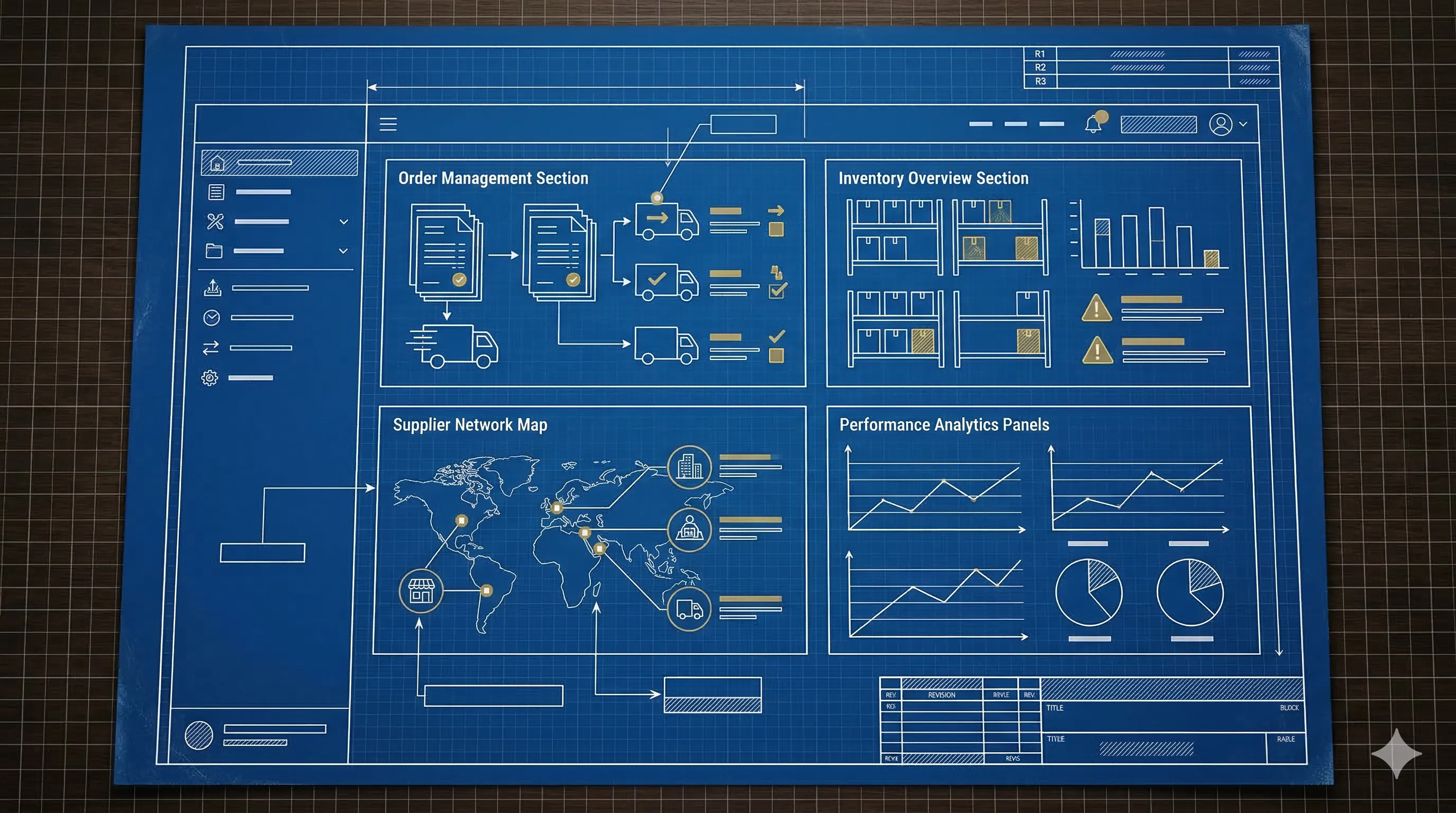
ClaimStatusandRestaurantAmenitiesgave the AI a “source of truth” long before the first component was built. - Day 2: Logic and Visualization. I built the 3-step Claiming Wizard and an analytics dashboard using Recharts. I explicitly asked for a “clean, high-end dashboard layout,” and mocked the backend with simulated delays to make the app feel production-ready.
- Day 3: The AI “Magic.” We implemented a feature where the portal analyzes a restaurant’s menu to generate an “Audience Persona.” Seeing AI generate business insights from raw menu data was the “aha!” moment that secured stakeholder buy-in.
AI Studio is the ultimate force multiplier for PMs to communicate in the native language of startups: Working Code.
The Strategic Pivot: The Critical Roadblock
While the high-speed build was succeeding, it exposed a deeper foundational challenge: restaurant owner verification. The easiest path, automated verification via domain-matching email, was unreliable because many restaurant owners use personal email addresses.
This forced a crucial decision. To meet our 60-day launch deadline, we made a practical trade-off: we temporarily abandoned the automated “low-hanging fruit” and committed to a manual verification process for the V1.
The most significant challenge was not the build itself, but validating the identity of the user.
For V1, we implemented a manual-focused plan where the system allows for document uploads. Simultaneously, we built a “Super Admin” feature within the POC to instantly assign ownership to pilot partners, allowing us to gather feedback immediately without waiting for the full backend verification logic.
The “Secret Sauce” Prompts
The key to this pace was contextual engineering. My most effective prompts followed a specific pattern:
- The Role-Play: “Act as a world-class senior frontend engineer. Prioritize clean, modular React code. Use Tailwind CSS for a premium, accessible UI.”
- Context Injection: I re-uploaded the
types.tsandApp.tsxfiles frequently so the AI never lost the “big picture” as the codebase grew. - The XML Request: I requested all updates in a specific XML format. This allowed me to see exactly what changed and “apply” the updates without reading through chat fluff.
The Value Delivered: Shipping Core Features
Once the verification hurdle was addressed with our hybrid approach, we focused entirely on the features that delivered immediate value. For our V1, we prioritized:
- Profile Customization: Allowing owners to take control of their brand by decoupling and editing photos, updating contact information, and managing their menus for the first time.
- Basic Analytics: Displaying static metrics for exposure (like view counts) to immediately demonstrate the platform’s value, setting the stage for more complex benchmarking in future releases.
- Review Management: Enabling verified owners to reply to customer reviews directly from their dashboard.
Foundational Success & Looking Ahead
This POC didn’t just show what the portal could be. It became the actual foundation for our development. We saved weeks of back-and-forth by having a functional prototype that stakeholders could actually log into and feel.
By integrating the vendor portal directly within the existing Umamii mobile app (reminiscent of Instagram’s profile switching), we created a unified experience that avoids managing two separate products. This also helped us neatly sidestep the onboarding friction of either routing web users to download our consumer app or building an entirely separate sign-up flow.
Our “ship and iterate” model is already at work as we look toward V2. We’ve intentionally scoped out complex features—like full menu modules, multi-user management (restricting V1 to a single verified owner), and the convoluted logic of adding entirely new restaurants to the database—to ensure our V1 is solid. Now that the vision is validated through working code, we’re ready to scale.